

Founding and History:
United World College of South East Asia (UWCSEA) was established in 1971 as one of the earliest members of the United World College movement, which aims to promote international understanding through education. Operating across two campuses in Singapore - Dover and Tampines - UWCSEA delivers comprehensive K-12 education to over 5,500 students.
The school reflects the founding principles of the UWC movement, using education as a force to unite people, nations, and cultures for a peaceful and sustainable future. With nearly five decades of educational excellence in Singapore, UWCSEA has grown from a small international school to one of Asia's most respected educational institutions.
Student Body:
Current enrolment exceeds 6,025 students across both campuses:
- 18.3% Indian
- 17.1% Chinese
- 7.8% British
- 8.1% American
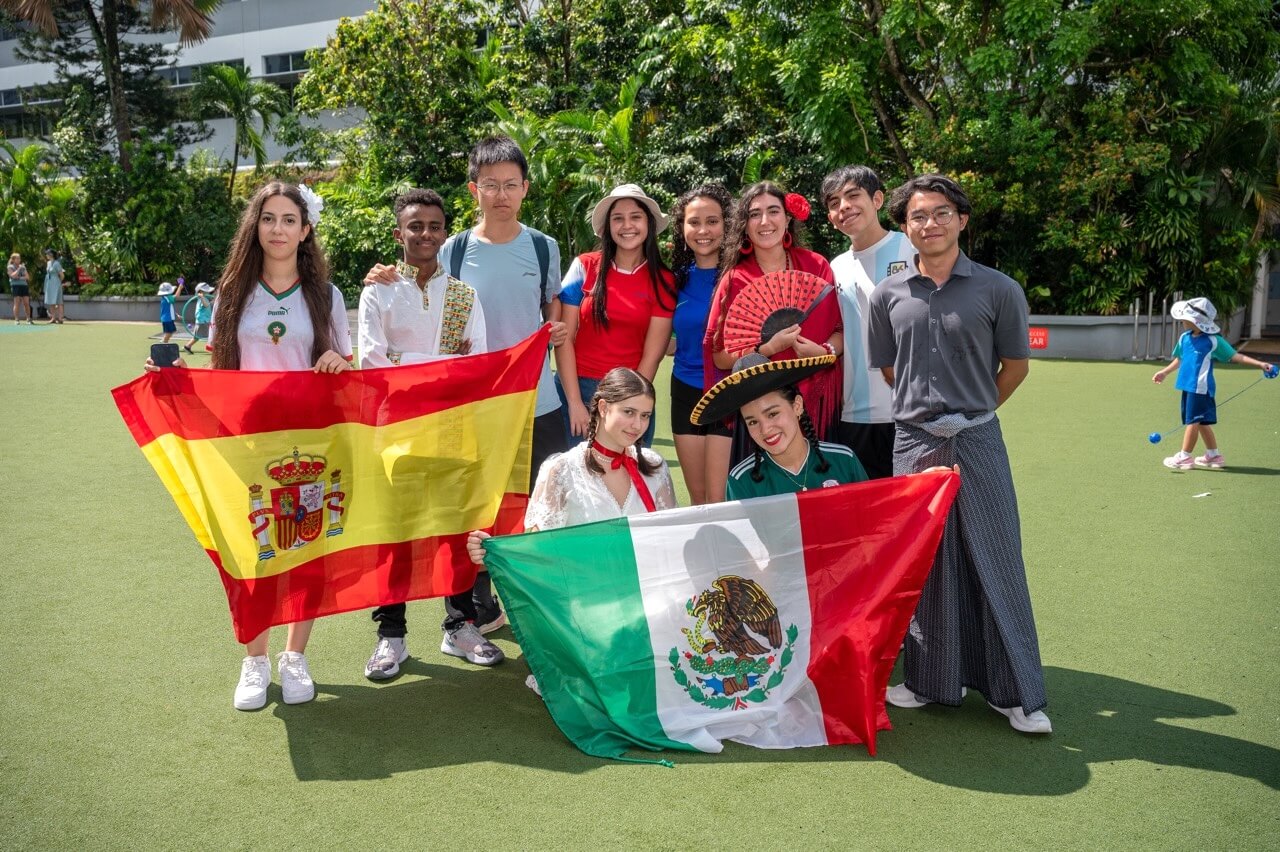
Students represent 118 nationalities, creating a truly diverse international community.
Curriculum:
UWCSEA offers a comprehensive K-12 education:
- Kindergarten (Grade 1): PSE curriculum focusing on self-awareness and social development
- Primary (Grades 2-5): IB Primary Years Programme (PYP)
- Middle School (Grades 6-8): IB Middle Years Programme (MYP)
- High School (Grades 9-12): IGCSE followed by IB Diploma Programme
Outstanding IB results across both campuses:
- 98.9% overall pass rate
- Average score: 36.3/45



Facilities:
UWCSEA's two campuses in Dover and Tampines showcase state-of-the-art facilities designed to support their comprehensive educational program. The libraries function as learning hubs, featuring digital research centers, collaborative study spaces, and extensive multilingual collections. Each campus houses dedicated science wings with specialised laboratories for physics, chemistry, biology, and environmental science, equipped with university-grade research equipment.
The performing arts facilities include professional theatres with advanced lighting and sound systems, music suites with individual practice rooms, recording studios, and dance studios with sprung floors. Visual arts spaces feature specialised studios for different mediums including ceramics, photography darkrooms, digital design labs, and exhibition spaces.
The sports complexes include Olympic-standard swimming pools, all-weather artificial turf fields, indoor sports halls, fitness centers with professional training equipment, and dedicated spaces for activities ranging from rock climbing to martial arts. Innovation centers provide cutting-edge technology including 3D printing labs, robotics workshops, and media production studios.
Sustainable design features are integrated throughout both campuses, which have earned GreenMark certification. Solar panels, rainwater harvesting systems, and green spaces demonstrate the schools' commitment to environmental responsibility. Both campuses also feature purpose-built spaces for their extensive outdoor education programs.
Unique Features:
- Dual-campus system offering identical educational opportunities
- Strong emphasis on environmental sustainability (GreenMark certified)
- Integrated service learning program
- Advanced IT infrastructure supporting STEM education
- Distinctive outdoor education program
Grade-specific requirements:
- K-Grade 11: English and Mathematics assessments plus interviews
- Grade 6+: Personal statement requirement
- Grades 9-12: Additional documentation including academic records, certificates, and teacher recommendations.


UWCSEA emphasizes:
- Global citizenship education
- International understanding
- Peace and sustainability
- Service learning
- Cultural diversity
- Environmental responsibility
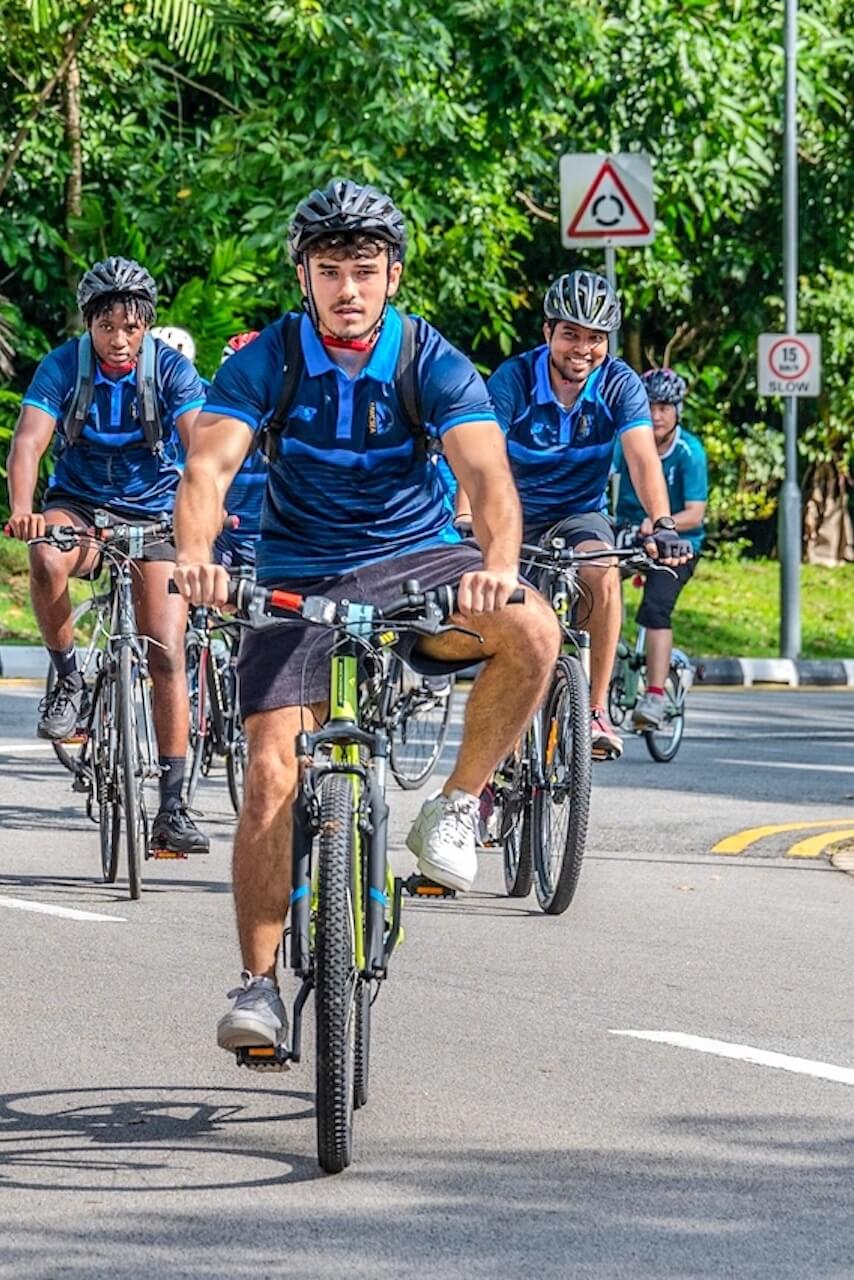
UWCSEA's activities program reflects its mission of education for peace and sustainable future through five key elements: Academics, Activities, Outdoor Education, Personal and Social Education, and Service.
The sports program encompasses over 30 different sports across competitive and recreational levels. Teams compete in the Athletic Conference of Singapore International Schools (ACSIS) and the South East Asian Student Activity Conference (SEASAC). High-performance athletes benefit from specialised coaching and training programmes.
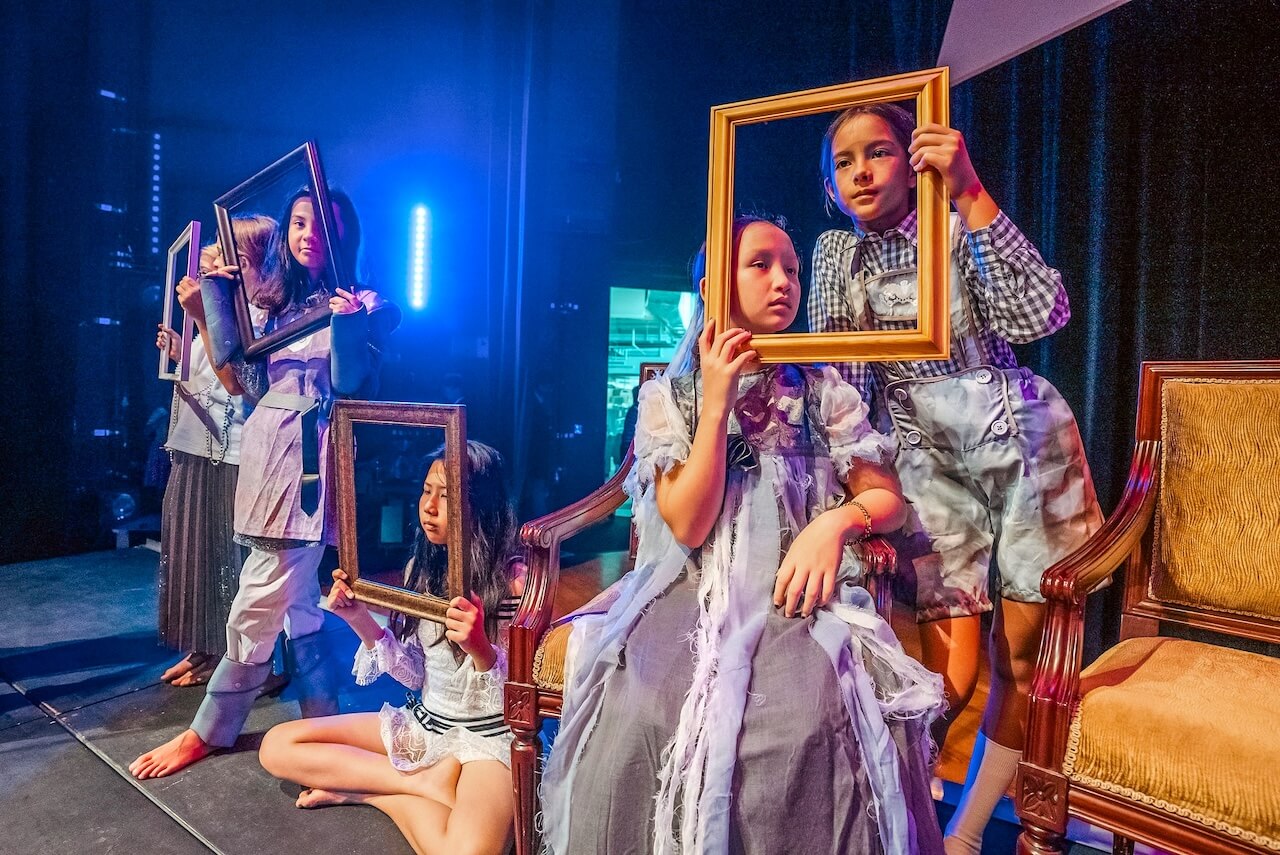
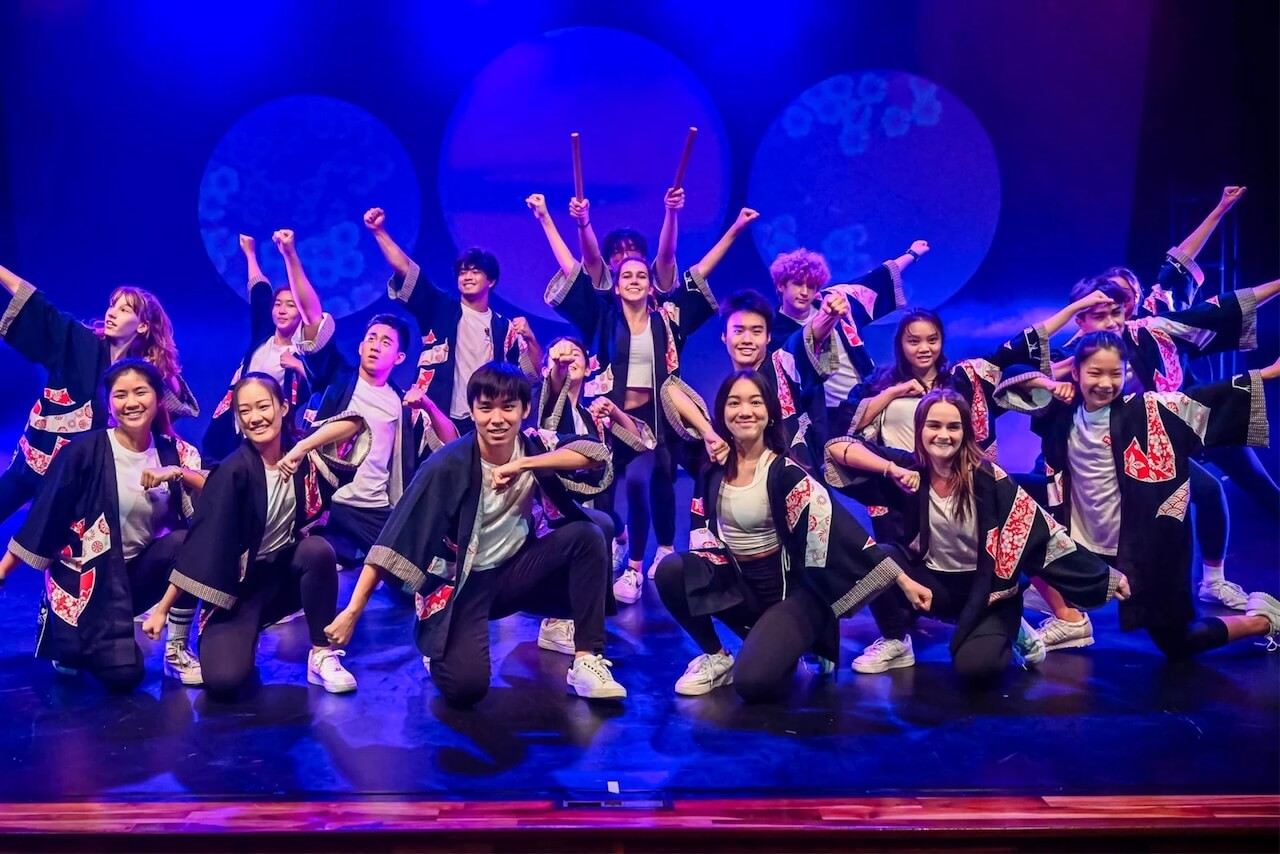
The performing arts program features annual productions, concerts, and recitals across all age groups. Students participate in orchestras, choirs, dance ensembles, and dramatic productions. The program includes collaborations with professional artists and opportunities to perform at international festivals.
Service learning forms a core component of student life, with each grade level engaged in long-term partnerships with local and regional organisations. Projects range from environmental conservation to support for refugee communities, reflecting UWCSEA's commitment to making education a force for good.
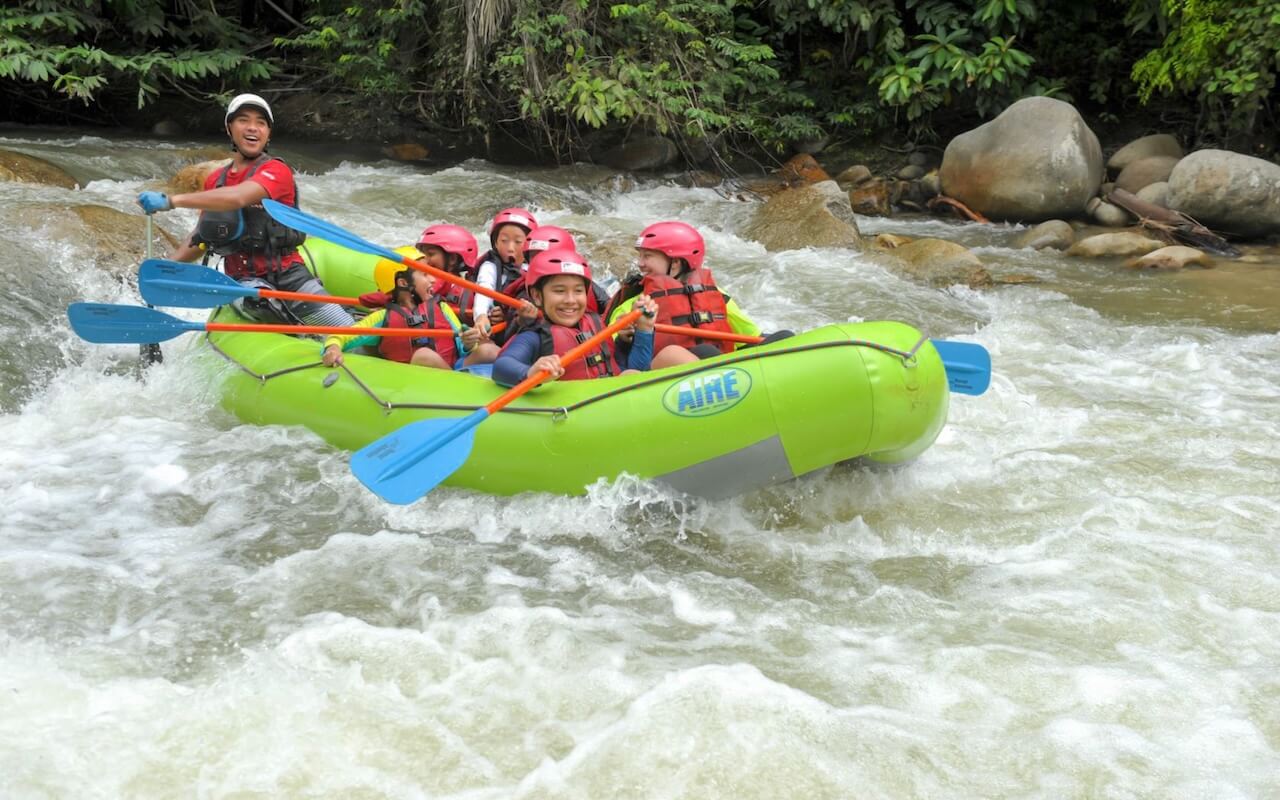
The outdoor education programme provides progressive challenges from elementary through high school. Activities include expeditions to Malaysia, Thailand, and other Asian countries, incorporating elements of adventure, service, and cultural immersion. The program develops leadership skills, environmental awareness, and personal resilience through carefully structured experiences.
Student-led initiatives and clubs span diverse interests from Model United Nations to environmental activism, robotics to literary magazines. These activities support UWCSEA's mission of developing informed, ethical, and engaged global citizens.
Conclusion:
UWCSEA distinguishes itself through its commitment to holistic education, outstanding academic results, and diverse international community. The school's integration of academics, service learning, and outdoor education, combined with its strong emphasis on sustainability and global citizenship, creates a unique educational environment that prepares students for leadership in an increasingly interconnected world.
CSI has supported many families with UWC admissions since 2017. Speak to us or contact us for a detailed discussion how we might help with the planning of your child's academic journey.
FAQ
What curriculum does UWCSEA follow?
UWCSEA runs its own integrated K-12 programme through Grade 10, then the IB Diploma Programme in Grades 11 and 12. The curriculum places heavy emphasis on academics alongside activities, outdoor education, and community service.
What is the average IB score at UWCSEA?
UWCSEA's Class of 2026, a cohort of 642 students, achieved a 98.9% pass rate against a world average of 82.6%, with an average score of 36.3 points.
How much are the school fees at UWCSEA?
Annual tuition for 2026-2027 ranges from $39,069 (K1-G1) to $49,926 (G11-12), the same at both Dover and East campuses. A development levy of $5,166-$9,537 applies depending on year of entry, and boarding adds $45,288 a year plus a $348 amenities fund.
What age range does UWCSEA admit?
UWCSEA admits students from age 4 (K1) through Grade 12, across its Dover and East campuses.
Where are UWCSEA's campuses located?
UWCSEA has two campuses: Dover Campus at 1207 Dover Road, Singapore 139654, and East Campus at 1 Tampines Street 73, Singapore 528704.
Comparing UWCSEA to Dulwich? Read our Dulwich College Singapore vs UWCSEA breakdown.